Research reveals recruitment businesses feel JSL-ready – but are they?

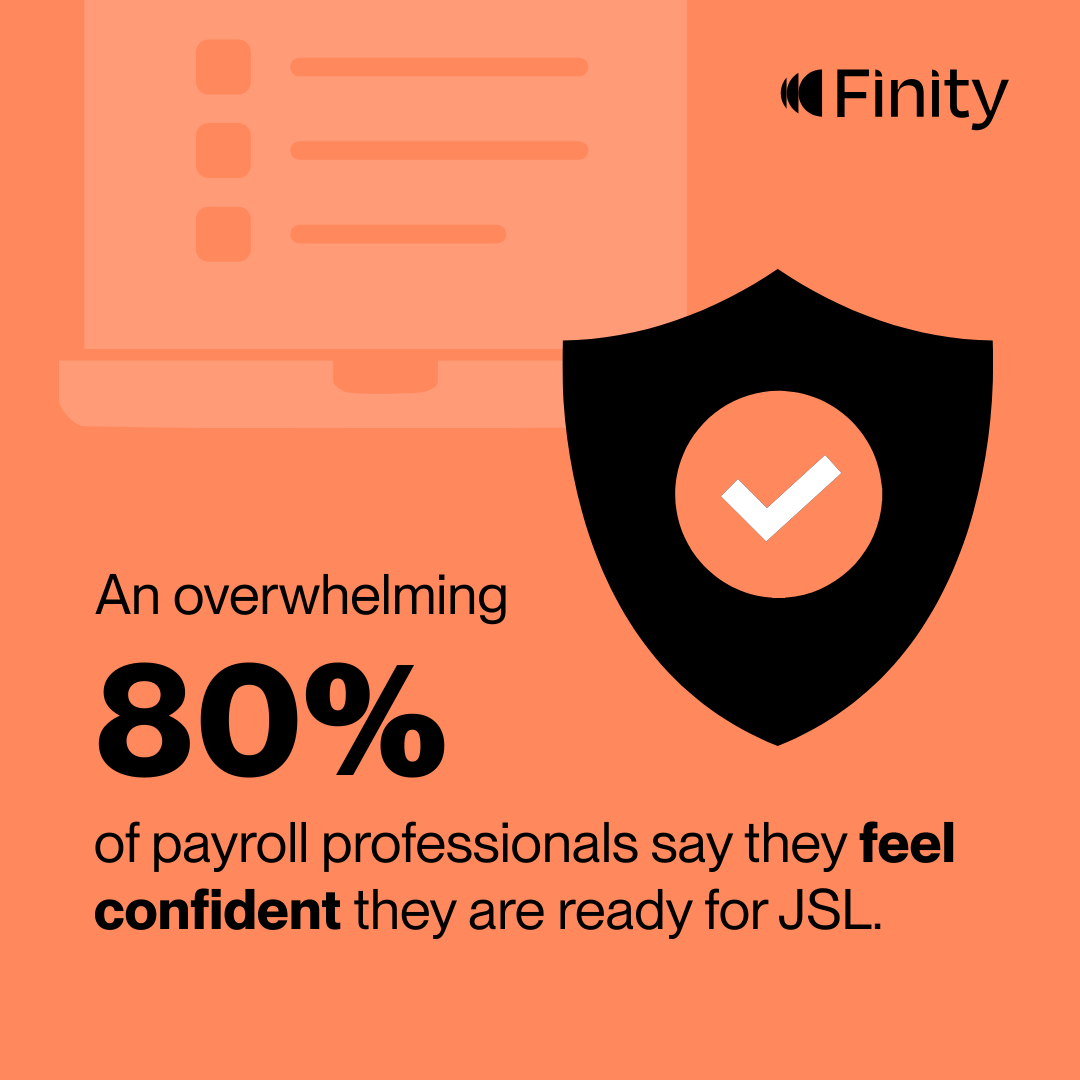
With HMRC’s Joint and Several Liability (JSL) reforms set to take effect in April 2026, recruitment businesses across the UK say they feel confident they are prepared. But confidence and readiness aren’t the same thing – and our new research suggests many may be confusing the two.
Confidence is high, but so are the gaps
We surveyed 342 finance and payroll professionals. The results show strong awareness of the upcoming reforms:
- 100% say they feel confident they are ready for JSL
At first glance, that’s reassuring. But look closer, and a different picture emerges:
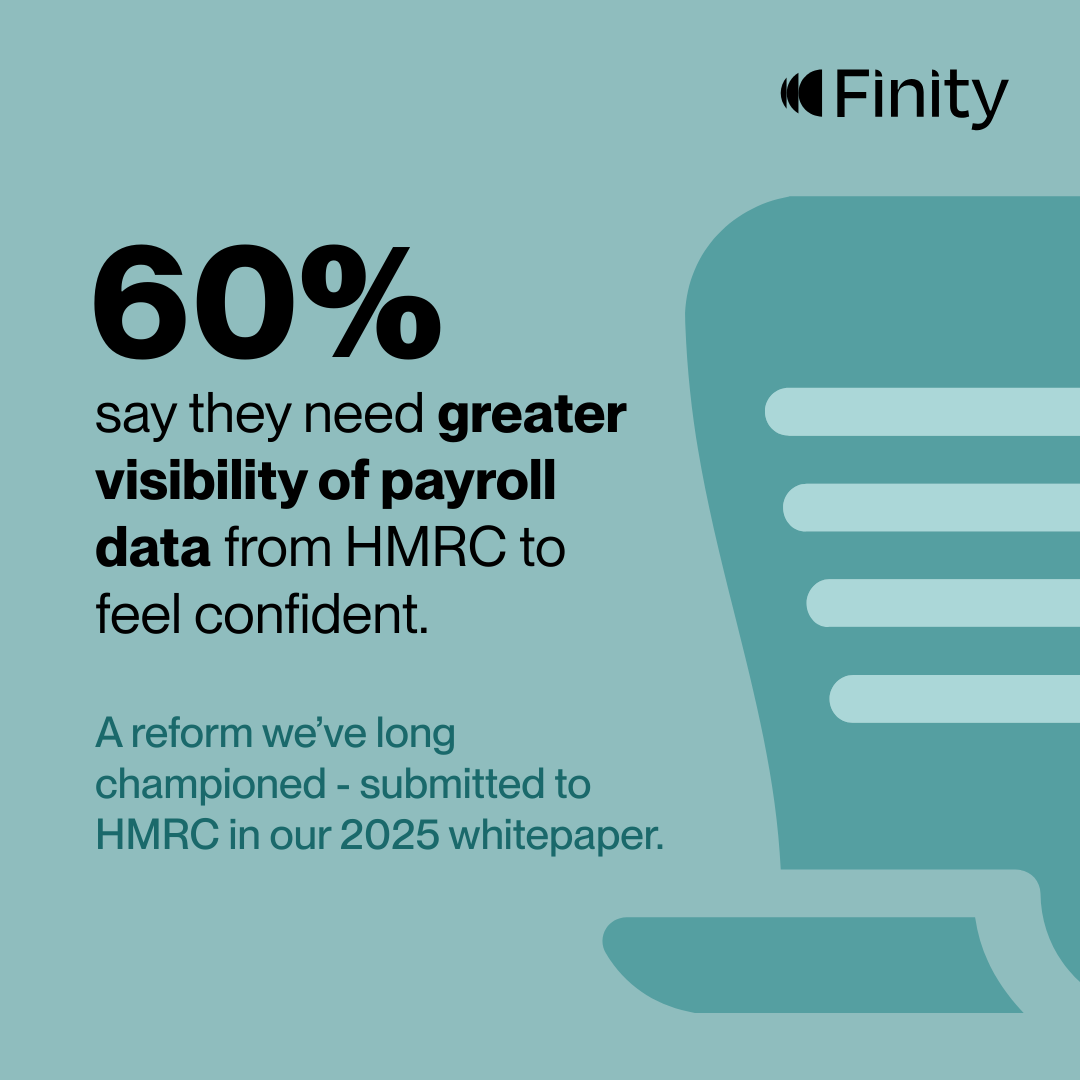
- 60% say they need greater visibility of payroll data at source from HMRC to feel confident
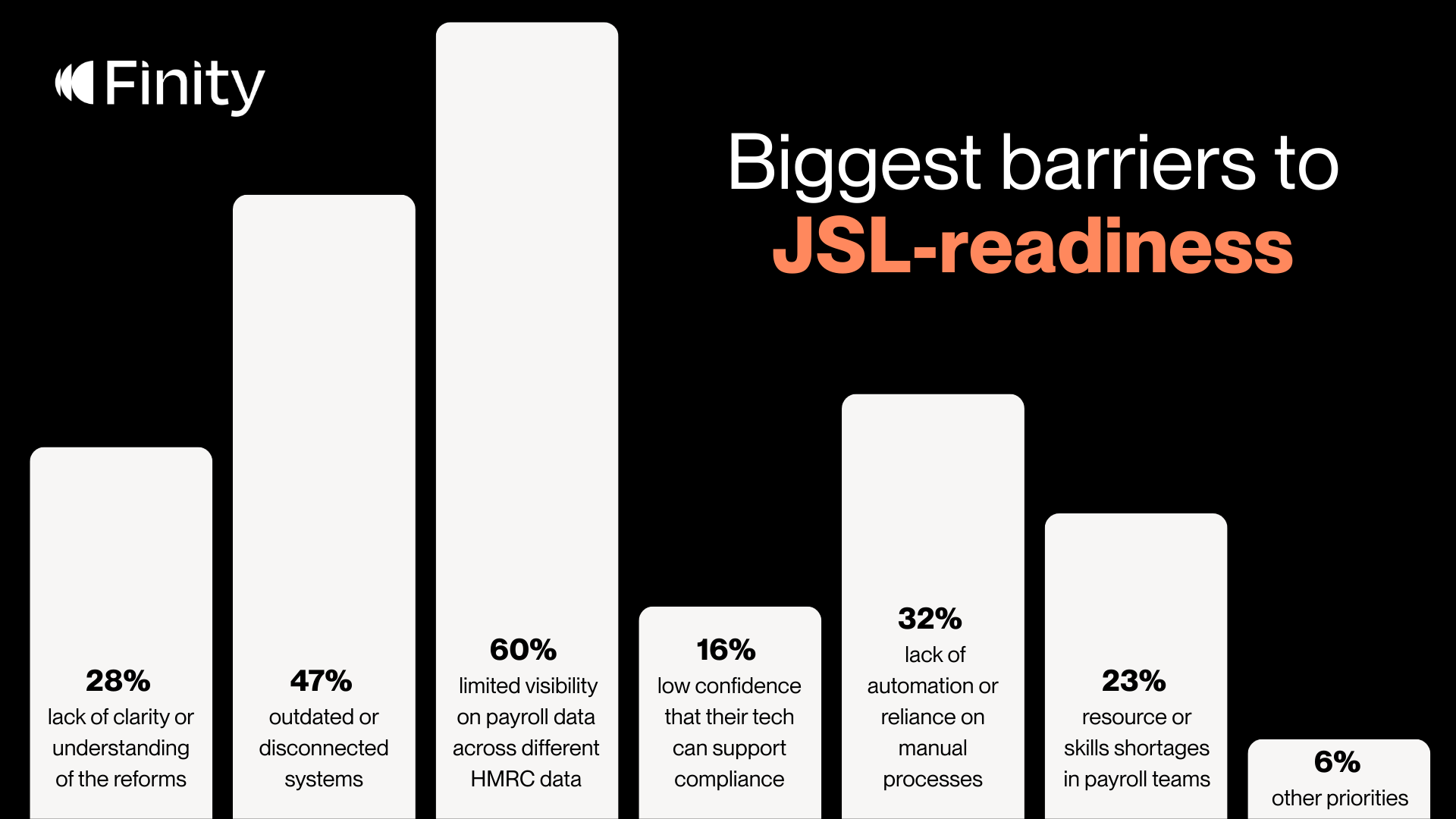
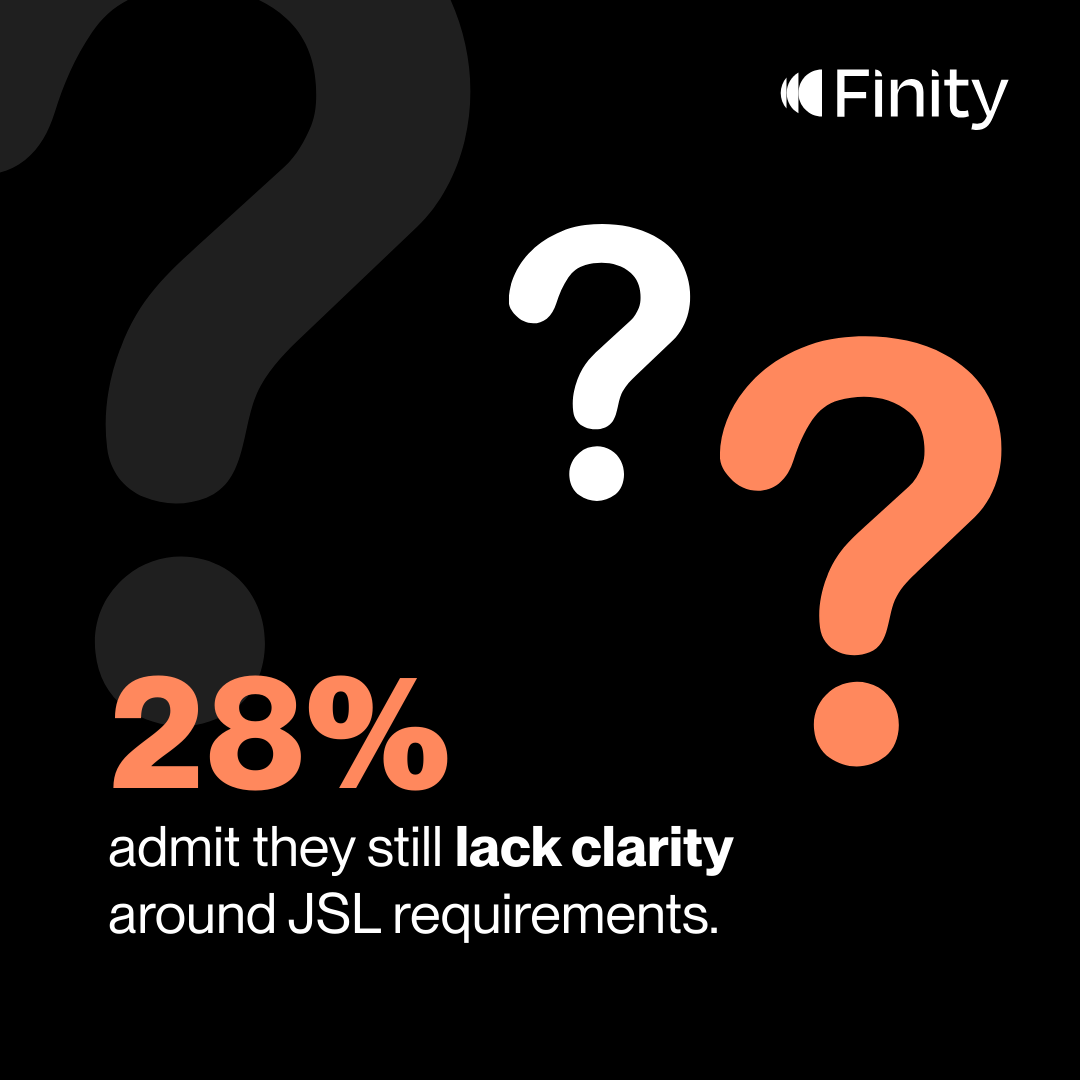
- 28% admit they still lack clarity around JSL requirements
- 0% have no barriers standing in the way to JSL readiness
The gap is clear: teams believe they’re prepared, but lack the operational infrastructure to prove it. Confidence without the right systems backing it up is risk waiting to unfold.
Finity has long championed visibility at source. Following our 2025 whitepaper submission to HMRC, there have been sginals towards a roadmap featuring direct APIs – a positive step towards the transparency payroll teams are calling for.
Why JSL changes the game
Under the new reforms, HMRC will have the power to hold agencies and end clients jointly liable for unpaid tax and National Insurance contributions within labour supply chains.
In practice, this means if a contractor or worker’s PAYE isn’t paid correctly, your recruitment business could be liable – even if the failure happened elsewhere in the chain.
This significantly raises the stakes.
Accurate, timely, and transparent payroll data will be critical for risk management and compliance assurance across entire supply chains.
JSL effectively turns compliance into a continuous process rather than a periodic check – as it always should have been.
Technology is the biggest barrier
One of the most significant findings from the research is that legacy systems are holding payroll teams back.
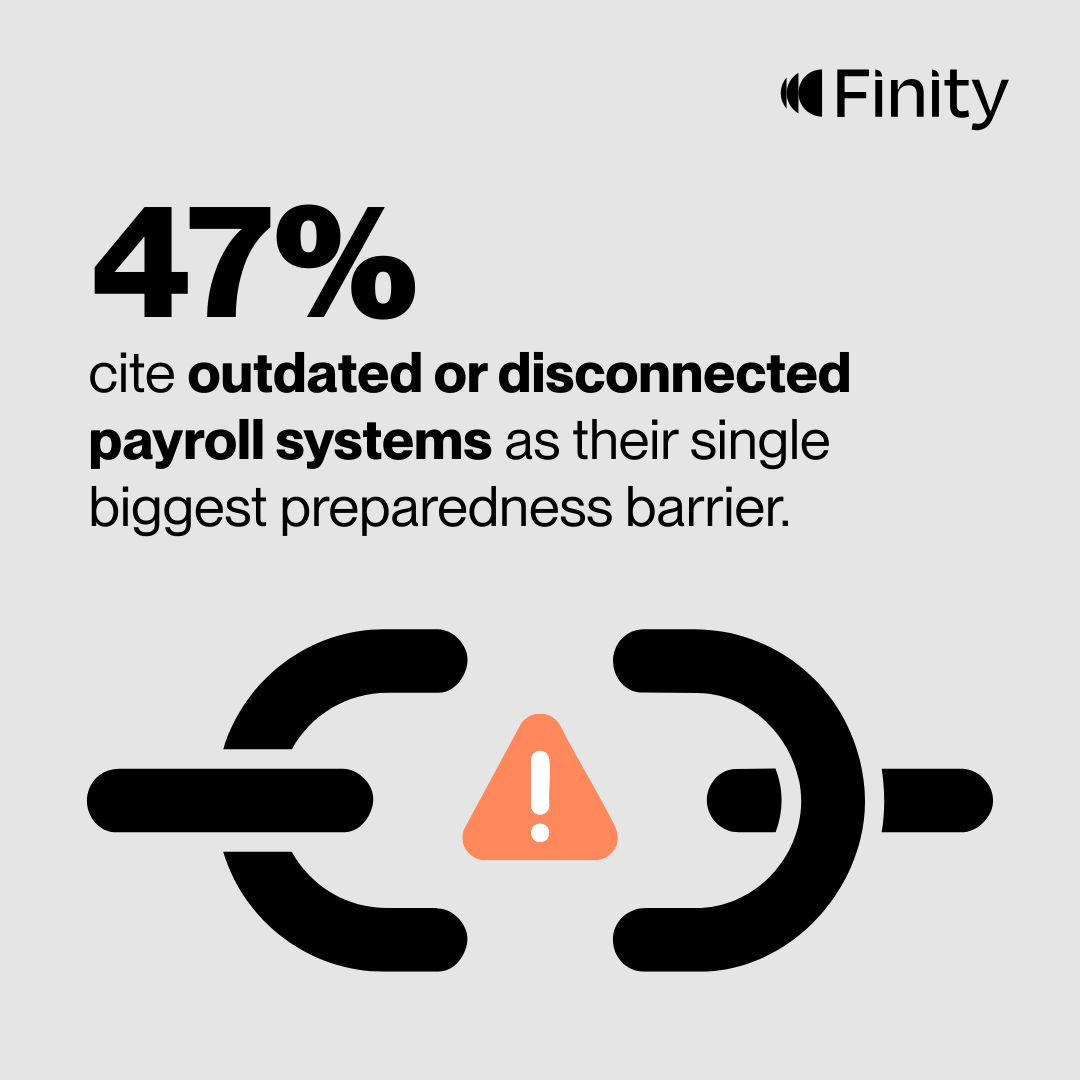
- 47% cite outdated or disconnected payroll systems as their biggest barrier to full JSL preparedness
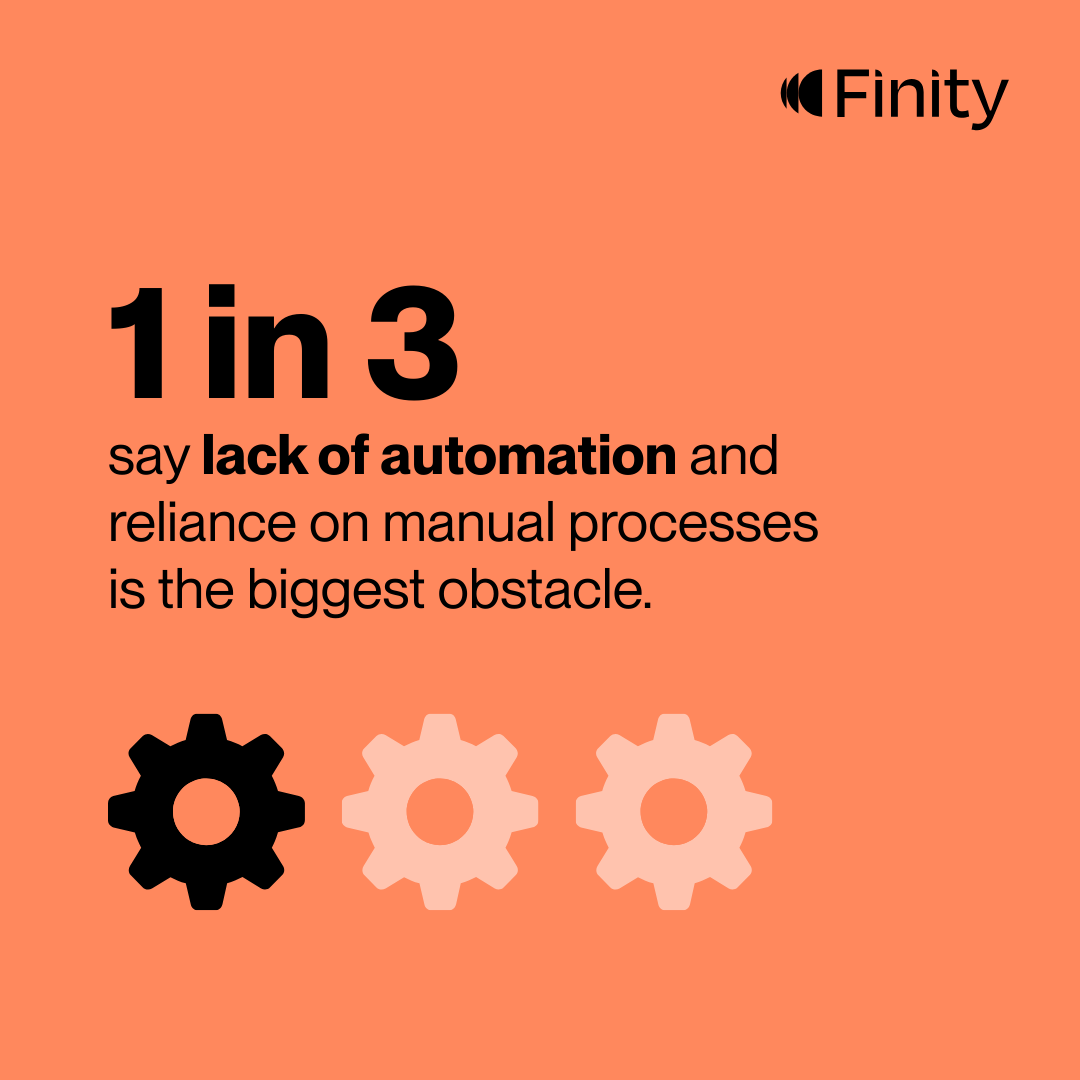
- 32% say a lack of automation or reliance on manual processes is their main obstacle
These figures suggest that the issue isn’t a lack of awareness or effort. It’s infrastructure. Many recruitment businesses are managing payroll across multiple disconnected tools – spreadsheets, legacy platforms, separate compliance trackers – creating data silos that make real-time oversight nearly impossible.
As payroll compliance becomes more complex and more scrutinised, systems designed for simpler reporting demands are struggling to keep pace.
Why fragmentation creates risk
When payroll data sits across multiple systems, achieving true financial unity becomes difficult. Without a single, connected view of payroll compliance, recruitment businesses are forced to manually piece together information – increasing the risk of gaps, delays, and errors that JSL will now penalise.
This will become apparent during audit scenarios or when HMRC requests evidence of compliance. If your payroll data lives in five different places, can you produce a complete, accurate picture quickly enough to satisfy scrutiny?
The “we didn’t know” defence will be dismantled when JSL lands.
Bigger organisations, bigger challenges
The barriers vary by organisation size.
Among companies with 250–1,000 employees, limited payroll data visibility is the single biggest concern – cited by 72%.
For the largest employers (1,000+ employees), concerns shift toward whether their existing technology can support compliance and audit demands, alongside ongoing uncertainty about the reforms.
As organisations scale, so too does the complexity of payroll data flows, integrations, and supply chain relationships. JSL amplifies those risks.
JSL is exposing operational weaknesses
“What our research really highlights is that JSL is exposing weaknesses in payroll operations, rather than a lack of intent or awareness,” says Varun Monteiro, CEO of Finity.
“Payroll teams are being asked to do more, manage greater risk and provide watertight assurance across supply chains, and while they are taking JSL seriously, many feel held back by fragmented data, limited visibility and technology that was never designed for this level of accountability.”
There is also a clear appetite for change.
“Crucially, there is a real appetite for more transparent visibility of payroll data at source from HMRC supported by modern, connected payroll systems that can ensure real-time compliance.”
In short, payroll professionals want better tools and clearer data to meet rising expectations.
Confidence isn’t enough – readiness requires action
With implementation approaching, now is the time to close the gap between feeling ready and being ready. That means:
- Auditing your current payroll technology stack for fragmentation and blind spots
- Understanding where your compliance data actually lives – and whether you can access it in real time
- Investing in payroll systems built with compliance baked in, not bolted on
JSL-ready payroll software should offer built-in validation, a centralised compliance hub, and an ecosystem approach that reduces the need for multiple disconnected tools. Without that foundation, even confident teams risk finding themselves exposed when HMRC begins enforcement.
Varun comments:
“With under two months until the reforms take effect, we are urging organisations to review their payroll infrastructure, data access and supply chain processes to ensure they are genuinely JSL-ready. Only those that invest now in connected payroll systems and clearer data visibility will be well-placed to manage risk across their supply chains as enforcement tightens.”
The recruitment businesses that act now will turn JSL preparation into a competitive advantage. Plus, they’ll avoid these 2026 payroll regrets.
____
The research was carried out online by Research Without Barriers (RWB), with surveys conducted between 22 December 2025 and 15 January 2026. The sample comprised 342 respondents employed in finance and payroll departments and involved in their organisation’s payroll.
All research carried out by RWB adheres to the UK Market Research Society (MRS) code of conduct (2023).
Research Without Barriers (RWB) is registered with the Information Commissioner’s Office and is fully compliant with the General Data Protection Regulation (GDPR) and the Data Protection Act (2018).