Modernising HMRC: the plan is there, now it’s about delivery
For years, the UK tax system has carried too much friction for payroll teams trying to do the right thing.
Complex rules, disconnected systems, manual workarounds and digital infrastructure that hasn’t always kept pace with the way modern businesses operate have made compliance harder than it needs to be.
That’s why we’ve been vocal about the need to modernise HMRC’s digital infrastructure. With compliance under more scrutiny than ever, payroll teams need transparency at the source of truth.
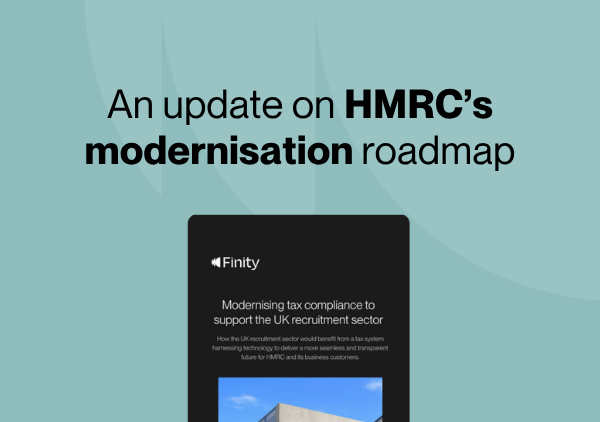
In our Q1 2025 tax modernisation whitepaper, we set out practical recommendations for how HMRC could move towards a more connected, intelligent and efficient tax system. That included stronger API infrastructure, better access to real-time data, and the responsible use of AI to reduce errors, improve compliance and make tax administration easier to manage at scale.
At the recent BASDA Summit, with HMRC in attendance, including their Chief Executive and Chief Technology Officer, it was encouraging to hear that the direction of travel is clear.
HMRC has committed to modernisation. The roadmap is developing, the ambition is clear, and there’s willingness to listen to industry recommendations.
Modernisation needs to be practical
The opportunity is huge.
Better APIs can help reduce duplicated effort, improve data quality and make compliance processes more seamless. AI can support smarter checks, clearer guidance and more efficient workflows, provided it’s introduced responsibly, transparently and with proper safeguards.
For payroll and compliance teams, this would ease the current burden significantly. Direct access to HMRC data would make it easier to confirm that liabilities have been met, evidence compliance clearly and reduce dependence on workarounds. Instead of relying on disconnected processes or retrospective checks, teams could work from the source of truth with greater speed, accuracy and confidence.
That’s why collaboration between HMRC, software providers and industry bodies such as BASDA is so important. The people building and using these systems every day have a clear view of where the friction sits, what needs to change, and how digital services can be designed in a way that works in practice.
Progress will take time
The Summit made one thing clear: change won’t happen overnight.
HMRC’s systems are complex, deeply embedded and relied on by millions of people and businesses. Meaningful change takes planning, testing, investment and careful delivery.
For us, this is a positive step forward from where the conversation was when we delivered our whitepaper and brought it to HMRC via BASDA last year.
Modernisation is no longer something we’re lobbying for; it’s something we’re monitoring closely and actively contributing to, as the industry works with HMRC to shape what the future of the tax system should look like.
Now the focus has to be delivery.
A better tax system is a shared responsibility
A modern tax system should make compliance easier, faster and more accurate. It should help software providers build better tools, give businesses more confidence, and free teams from unnecessary admin so they can focus on higher-value work.
That’s the future Finity will keep championing.